
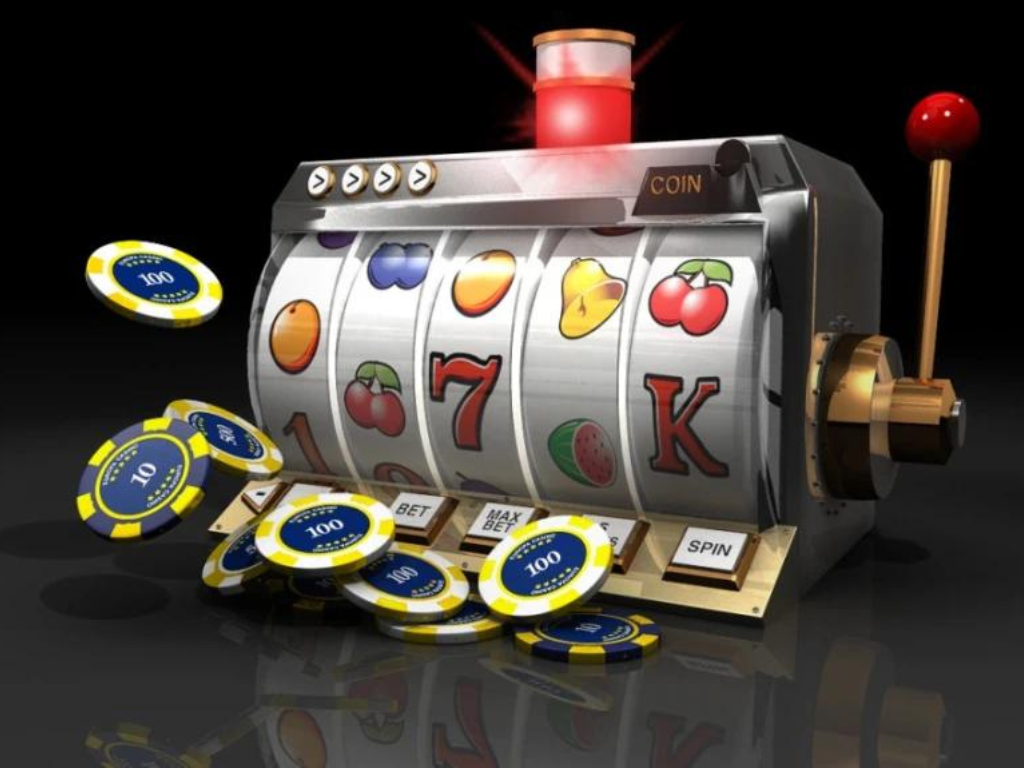
thecheaproute.com Picture this: you’re sitting in front of a brightly lit slot machine, the reels spinning rapidly as your heart races with each potential win. The anticipation builds as dopamine surges through your brain, creating a feeling of euphoria and excitement. But what happens when that high fades away, leaving behind feelings of regret and loss? In this blog post, we’ll dive into the world of slot machine addiction, exploring how our brains become hooked on these games and why they can be so difficult to resist. Join us as we unravel the complex web of psychology behind one of the most addictive forms of gambling out there. slot bet 100
Introduction to Slot Machine Addiction
Slot machines have been a popular form of entertainment for decades, with their bright lights, catchy sounds, and the potential for big winnings. However, what may seem like harmless fun can quickly turn into a serious addiction for some individuals.
Slot machine addiction is a type of behavioral addiction that involves compulsive gambling on slot machines. It is characterized by an inability to control one’s gambling behavior despite negative consequences and can lead to financial problems, strained relationships, and even mental health issues.
This feeling reinforces the behavior and creates a cycle where individuals become dependent on playing slot machines to experience that rush of euphoria. This process is similar to how drugs or alcohol affect the brain’s reward system.
Moreover, slot machines are designed using principles of operant conditioning – a psychological concept where behaviors are reinforced through rewards or punishments. In this case, winning serves as positive reinforcement while losing serves as negative punishment. This combination creates an addictive pattern where individuals continue playing in hopes of achieving another win and avoiding losses.
Another factor that contributes to slot machine addiction is loss aversion – the tendency for people to feel more strongly about losses than gains. When playing slot machines, players often chase their losses by continuing to play even when they are not winning. The fear of losing pushes them towards taking risks rather than walking away from the game.
This increased accessibility can make it challenging for those struggling with addiction to resist temptation.
The Role of Dopamine in Slot Machine Addiction
Dopamine is a neurotransmitter that plays a crucial role in the brain’s reward and pleasure system. It is often referred to as the “feel-good” chemical because it is responsible for feelings of happiness, motivation, and reward.
This phenomenon is known as tolerance and is often seen in substance addiction as well.
The role of dopamine goes beyond just creating feelings of pleasure; it also influences decision-making processes in our brains. Dopamine has been linked to impulsive behavior and poor decision-making skills when it comes to risk-taking activities like gambling.
Understanding Loss Aversion and Its Impact on Gambling Behavior
Loss aversion is a psychological concept that refers to the tendency of individuals to strongly prefer avoiding losses over acquiring gains. This means that people are more motivated by the fear of losing something than they are by the potential for gaining something of equal value. In the context of gambling, this can have a significant impact on behavior.
When it comes to slot machine addiction, loss aversion can manifest in several ways. Firstly, players may continue to gamble even when they are consistently losing money because their fear of missing out on a big win outweighs the rational decision to walk away. This is known as “chasing losses” and can lead to significant financial consequences.
In addition, loss aversion also plays a role in how much money individuals are willing to spend while gambling.
Furthermore, loss aversion can also influence how individuals perceive risks associated with gambling.
Loss aversion is a powerful psychological concept that has a significant impact on gambling behavior. It can lead individuals down a path of addiction and financial ruin if not recognized and addressed.
The Illusion of Control: How Slot Machines Keep Players Hooked
The illusion of control is one of the key factors that keep players hooked on slot machines.
This false perception is reinforced by various aspects of slot machine design, such as the spinning reels, sounds, and graphics.
One way in which slot machines create this illusion is through near misses. These occur when a player’s spin results in two matching symbols out of three needed for a win. While technically not a winning combination, near misses trigger similar brain activity as actual wins do, leading players to believe that they were very close to winning and may be more likely to continue playing in pursuit of a win.
Another factor contributing to the illusion of control is the use of small rewards or “wins” during gameplay. Slot machines often provide small payouts throughout play, keeping players engaged with constant reinforcement.
This further reinforces the idea that players have some level of control over their winnings.
The Impact of Sound, Lights, and Visuals on Slot Machine Addiction
One of the main factors that contributes to slot machine addiction is the use of sound.
In addition to this, many slot machines also use lights and colorful visuals as a way to attract players.
This creates false expectations and leads to chasing losses, causing players to continue playing even when their funds are depleted.
The use of carefully crafted soundtracks in slot machines is also worth mentioning. For example, some studies have shown that lower-pitched sounds tend to create a sense of relaxation while higher-pitched sounds cause increased arousal levels – both emotions that can contribute to addictive behavior.
Furthermore, modern technology has made it possible for casinos to alter game settings remotely through computer software programs. This means they can adjust payout rates or change up visual elements at any time, without players even realizing it. This can create a sense of unpredictability and give the illusion of control to players, further increasing their desire to continue playing.
How Casinos Use Behavioral Psychology to Keep Players Gambling
Behavioral psychology is a powerful tool that casinos use to keep players gambling for longer periods of time. By understanding how the human brain works and what drives people’s behaviors, casinos are able to create an environment that encourages continuous play and increases their profits.
One of the main ways casinos use behavioral psychology is by creating an immersive and stimulating atmosphere. The bright lights, flashy colors, and loud noises in a casino are all designed to grab people’s attention and keep them engaged. This sensory overload can make it difficult for players to leave their game or even take a break from gambling.
In addition to the physical environment, casinos also strategically place slot machines and other games in specific locations. They often put them near entrances and exits or along pathways where people are likely to walk by. This tactic is known as “slot machine zoning” and it aims to catch the eye of passersby and entice them into playing.
Casinos also use variable rewards systems on slot machines, which have proven to be highly addictive. These types of slot machines provide random payouts with varying amounts, making players feel like they are just one spin away from hitting the jackpot. This sense of unpredictability creates a rush of excitement that can lead players to continue playing in hopes of winning big.
Another psychological strategy used by casinos is loss aversion. This refers to the tendency for people to experience more pain from losing something than pleasure from gaining something equal in value. Casinos capitalize on this by offering small wins throughout gameplay, which keeps players motivated even when they may be losing overall.
Moreover, many slot machines now offer bonus rounds or mini-games within the game itself.
Furthermore, some casinos have loyalty programs that reward frequent gamblers with perks such as free meals or hotel stays. This creates a sense of exclusivity and incentivizes players to keep coming back in order to maintain their status.
Strategies for Overcoming Slot Machine Addiction
These strategies involve a combination of self-awareness, behavior modification, and seeking support from professionals or support groups.
1. Identify Triggers: The first step in overcoming any addiction is to identify the triggers that lead to the addictive behavior. In the case of slot machine addiction, common triggers include stress, boredom, loneliness, and financial problems.
2. Set Limits: Setting limits on time and money spent at the slot machines can be an effective strategy for overcoming addiction. This could involve setting a budget for gambling expenses and sticking to it strictly. It may also be helpful to set a timer when playing slot bet 100 and stop once the timer goes off, even if the individual is not ready to leave.
3. Avoid Temptation: It’s important for individuals struggling with slot bet 100 addiction to avoid environments where they are likely to encounter these machines. This could mean avoiding casinos altogether or finding alternative activities that do not involve gambling.
Conclusion: Taking Control of Your Gambling Habits
However, understanding these underlying mechanisms can also help us take control of our gambling habits.
First and foremost, it is important to recognize when our gambling behavior has become problematic.
One effective way to take control of your gambling habits is through setting limits for yourself. Stick to these limits strictly and avoid any temptation to exceed them.
Another helpful strategy is finding alternative forms of entertainment and activities that do not involve gambling. This could be engaging in hobbies or spending quality time with loved ones.
It is also crucial to address any underlying emotional issues that may be fueling your addiction. Many people turn towards gambling as a means of escaping from stress, loneliness or other negative emotions. Consider seeking therapy or joining support groups where you can work through these issues in a healthy way.
Remember that overcoming an addiction takes time and effort
 dokter backlink